Binnenkijken op Hamra Farm: signalen herkennen met BioSensors
Every cow tells a story
No two cows are exactly the same. Knowing what is normal for each individual cow is important. Is she eating and ruminating as usual? Is her activity changing? Is she maintaining a good body condition? What is happening with her milk? And is there anything that tells us we should take a closer look?
Sometimes the first indication that something has changed is very small, and with just under 350 cows in our VMS Barn, those changes aren't always easy to spot.
And there's plenty more happening across Hamra Farm. Alongside looking after the dairy herd and youngstock, our team grows crops for feed and bedding and looks after around 2,000 hectares of forest. It's a busy working farm, and there is always something that needs attention.
To help us keep an eye on the cows, we use BioSensors and other digital tools to spot when something isn't quite normal for an individual cow.

What do we mean by BioSensors?
BioSensors are technologies that collect information about individual cows as they go about their normal routines. They help us follow things like activity and rumination, body condition, reproduction, milk, and udder health.
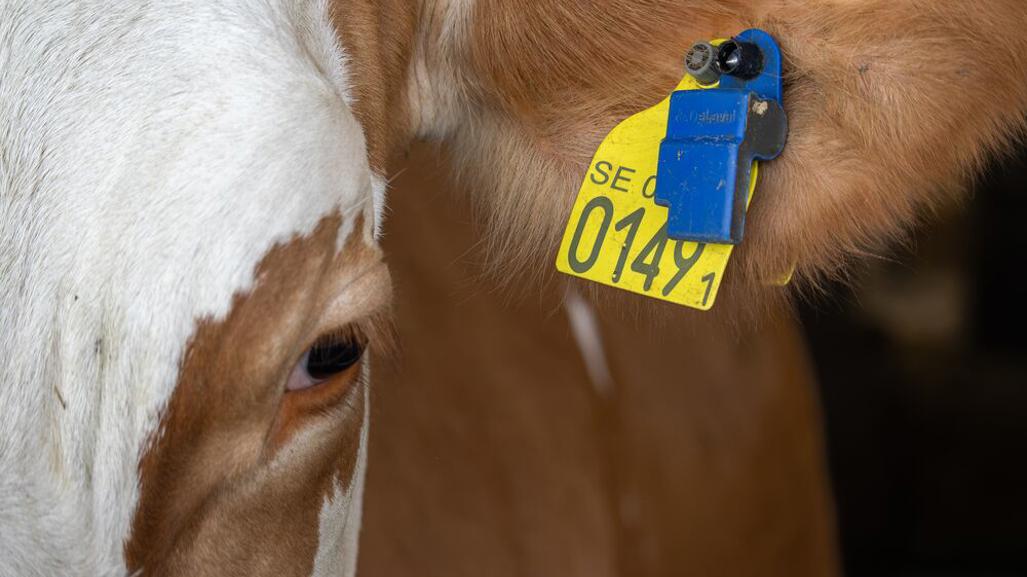
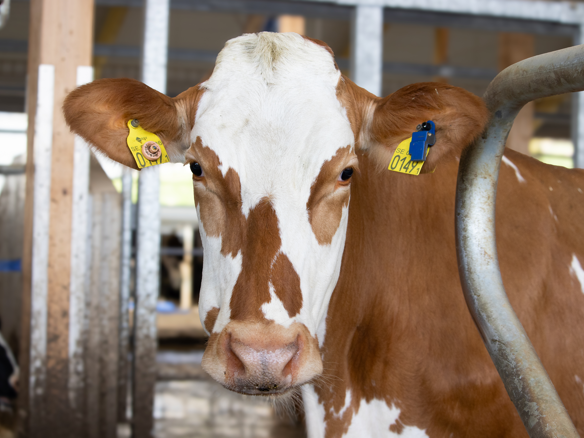
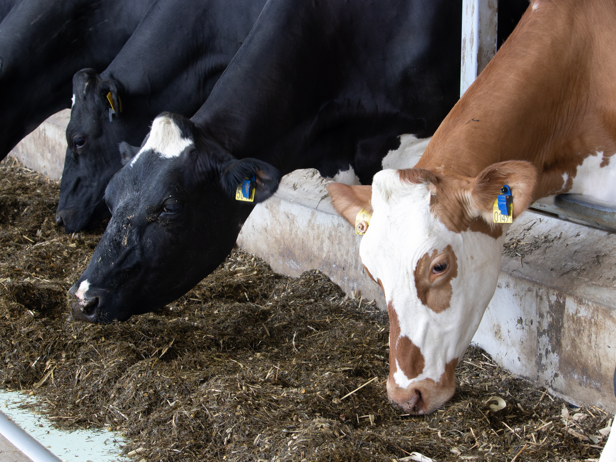
Walk through our VMS Barn and you can see some of this technology in action. Our cows wear blue ear tags, a Body Condition Scoring camera is positioned at the sorting gate by the VMS, and during milking, milk is analysed for information about udder health, reproduction, milk composition, and metabolic status.
Much of this information is collected as part of the cows' normal routines. Together, it helps us build a fuller picture of each cow and know when something might be worth a closer look.
Watch the video to hear from our Solution Managers about the BioSensors we use at Hamra Farm, how they work, and how they help us manage the herd.
From noticing a change to finding the cow
Every cow has her own normal pattern. Behaviour Analysis helps us keep track of that pattern and notice when something starts to change.
The blue ear tags worn by our cows collect information about their activity and behaviour throughout the day. Behaviour Analysis uses this information to follow things like eating, rumination, and activity and, importantly, to compare a cow with her own normal behaviour.
If a cow starts eating less, spends less time ruminating, or becomes less active than usual, that change can bring her to our attention. It doesn't necessarily tell us what is wrong, and the system doesn't diagnose a condition. It tells us that this is a cow we might want to check.
We can see notifications and an overview of cows that may need our attention in DeLaval Plus. That helps us decide where to focus our time rather than relying on being in the right place at the right time to notice a small change.
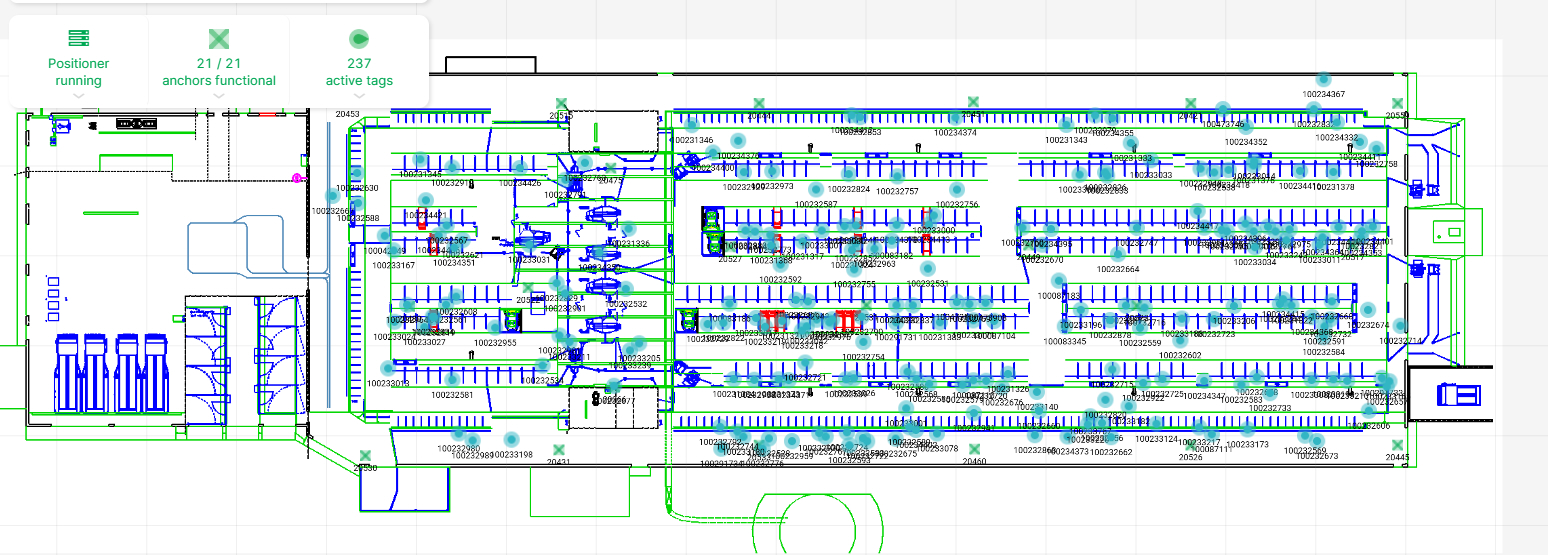
The ear tags also communicate with 21 anchors positioned throughout our VMS Barn. The anchors allow the system to calculate where an individual cow is. They can also add more context to her behaviour, for example, how much time she spends at the feed table or in different areas of the barn.
So, if Behaviour Analysis brings a cow to our attention, we can look at what has changed and where she is, then go and check her ourselves.
In practice, it helps us answer two very useful questions: Which cow should we take a closer look at, and where is she?
None of this replaces knowing our cows or spending time in the barn. It helps us focus our time and attention where it's needed.
How do ear tags and anchors work together?
1. The ear tags monitor behaviour.
They collect movement data around the clock, which Behaviour Analysis uses to follow things like eating, rumination, and activity, and to identify changes from a cow's normal behaviour.
2. The anchors add location and more context.
They receive signals from the ear tags, and when at least three anchors receive a tag's signal, the system can calculate where that cow is in the barn. Knowing her location can also provide more detail about her behaviour, such as time spent at the feed table, in cubicles, or in different areas of the barn.
Keeping an eye on udder health
Udder health is something we keep a close eye on, and one of the things we follow is somatic cell count, or SCC.
Somatic cells are naturally present in milk, but if the cell count starts to rise, it can be a sign that something is going on with the udder.
Our Herd Manager, Linda Thulin, has a particular focus on SCC. After many years of working systematically with udder health, our herd is averaging around 110,000 to 120,000 somatic cells per millilitre of milk.
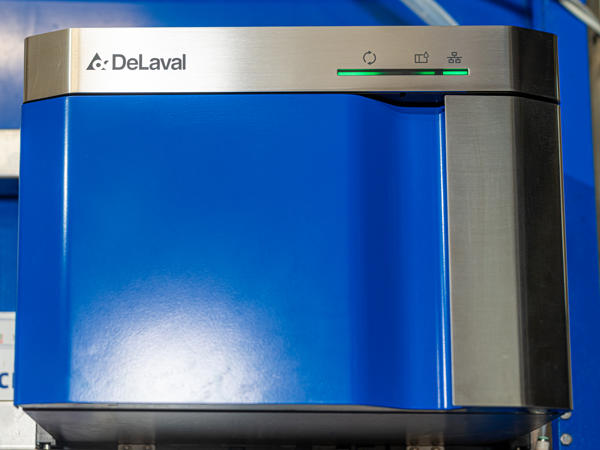
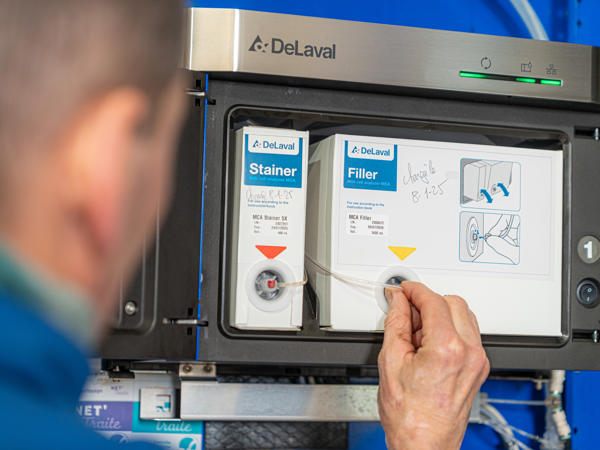
With DeLaval Milk Cell Analysis MCA, we can follow SCC for individual cows during milking. If we see a change, we know that cow is worth a closer look. Has her cell count suddenly increased? Is it continuing to rise? Could there be an udder health problem that we need to check?
It is also useful after a mastitis event because we can continue following the cow and see how her SCC develops over time.
For us, it's another way of knowing which cows we should be paying closer attention to.
Looking at milk composition
What can the milk tell us?
At Hamra Farm, we want our cows to produce well, but we also want to know how they are coping along the way.
Early lactation is one period we watch particularly closely. A cow is producing a lot of milk, her feed intake is changing, and she's drawing on her body reserves. We want to know if she's managing that transition as we would expect.
That's where the milk can tell us something useful. DeLaval Milk Solids Analysis measures fat, protein, and lactose during milking, so we can follow how these change for an individual cow.
If something starts to look different, we can put that together with what else we know about her. Is she eating and ruminating normally? Is she losing body condition? Is her milk production changing?
It doesn't give us the whole answer, but it can help us spot a cow that may need a closer look.
Understanding the reproductive cycle
Reproduction isn't always straightforward either. Some cows show very clear signs of heat, while with others, there may be very little to see.
With DeLaval RePro™, we can follow progesterone levels in milk during milking and see how they change through the reproductive cycle of an individual cow.
That can help us identify the right time for insemination, but it can also bring something unusual to our attention. If the pattern isn't what we'd expect, we know it may be worth investigating further.
For us, it's another piece of information to work with when we're managing an individual cow.
Body condition tells us where a cow may be heading
Body condition is a little different because it gives us a picture over a longer period.
Cows naturally gain and lose body reserves at different stages of lactation. What we want to know is: Which way is an individual cow heading? Is she maintaining her condition, or is she gaining or losing more than we would expect?
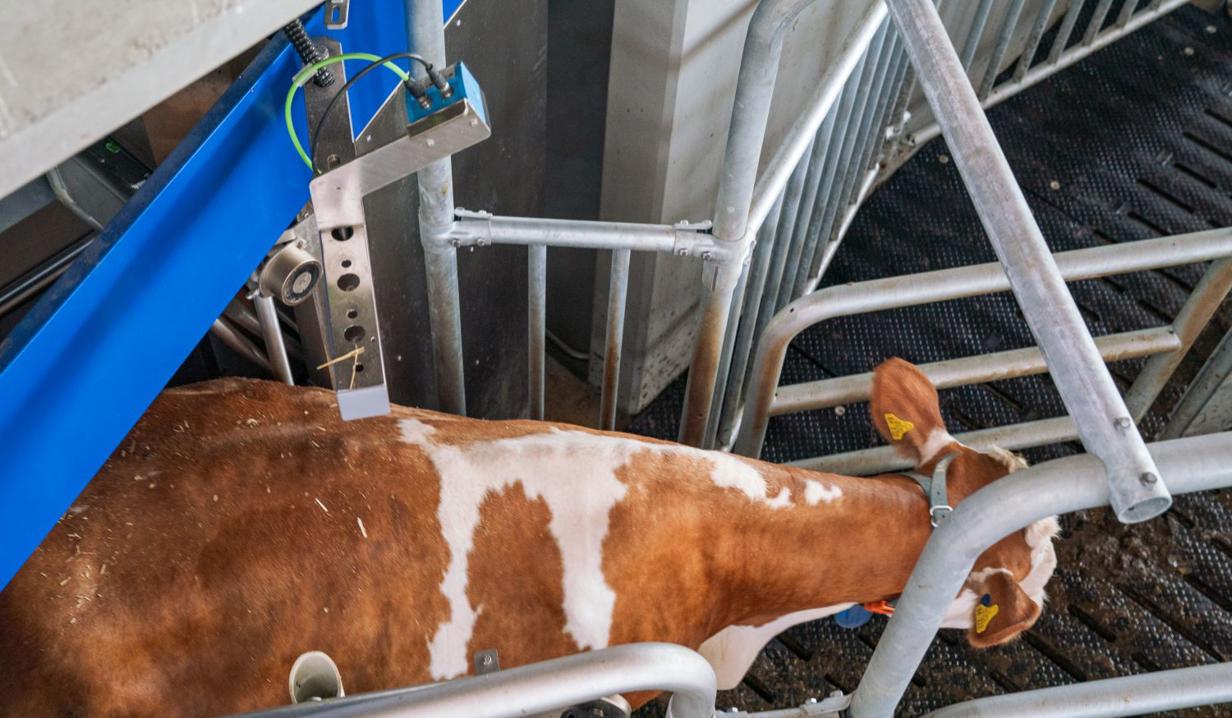
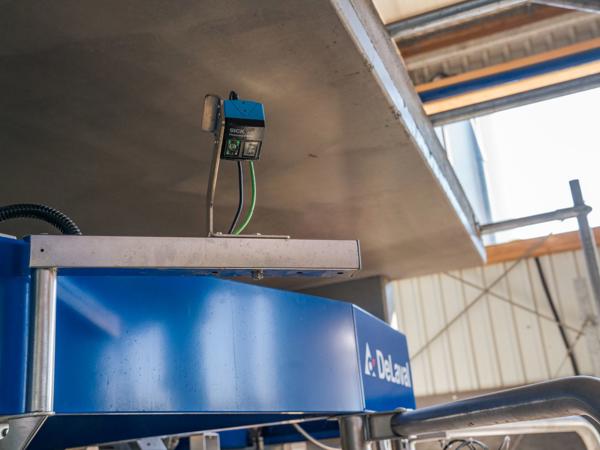
At Hamra Farm, the Body Condition Scoring camera is positioned at the sorting gate by the entrance and exit to the VMS. The cows pass it as part of their normal routine, so we can follow changes in body condition over time without having to make a separate measurement.
This is especially useful later in lactation and during the dry period as we prepare a cow for her next lactation.
We can also look at body condition alongside what we're seeing in her milk. Body Condition Scoring can help us see where a cow may be heading, while Milk Solids Analysis can help us understand what is happening now.
Again, neither gives us the whole answer on its own, but together they give us more to work with.
Looking at body condition and milk together
Body condition becomes even more useful when we consider it alongside what the milk is telling us.
Body Condition Scoring provides a longer-term view and can help identify cows that may be moving towards metabolic problems. Milk Solids Analysis provides information about the cow's current metabolic status through measurements of fat, protein, and lactose during milking.
Put simply, DeLaval body condition scoring BCS can help us see where a cow may be heading, while DeLaval milk solids analysis MSA can help us understand what is happening now.
That distinction matters.
A cow's health and productivity are not determined by what happens on a single day. Following changes over time can help the team manage cows proactively – supporting them through different stages of lactation, identifying potential problems, and responding when action may be needed.
Putting the pieces together
And that's really where all of this starts to make sense.
A change in rumination can tell us that something is different. A rise in somatic cell count can point us towards udder health. Her milk can tell us something else. Body condition shows us what's happening over a longer period, while progesterone helps us follow her reproductive cycle.
One signal can give us a clue. Several signals can give us context.
It doesn't mean the technology tells us exactly what is wrong with a cow or what we should do next. It helps us know where to look.
And then we can do what we've always done: go and look at the cow, use our own experience, and decide whether we need to do something.
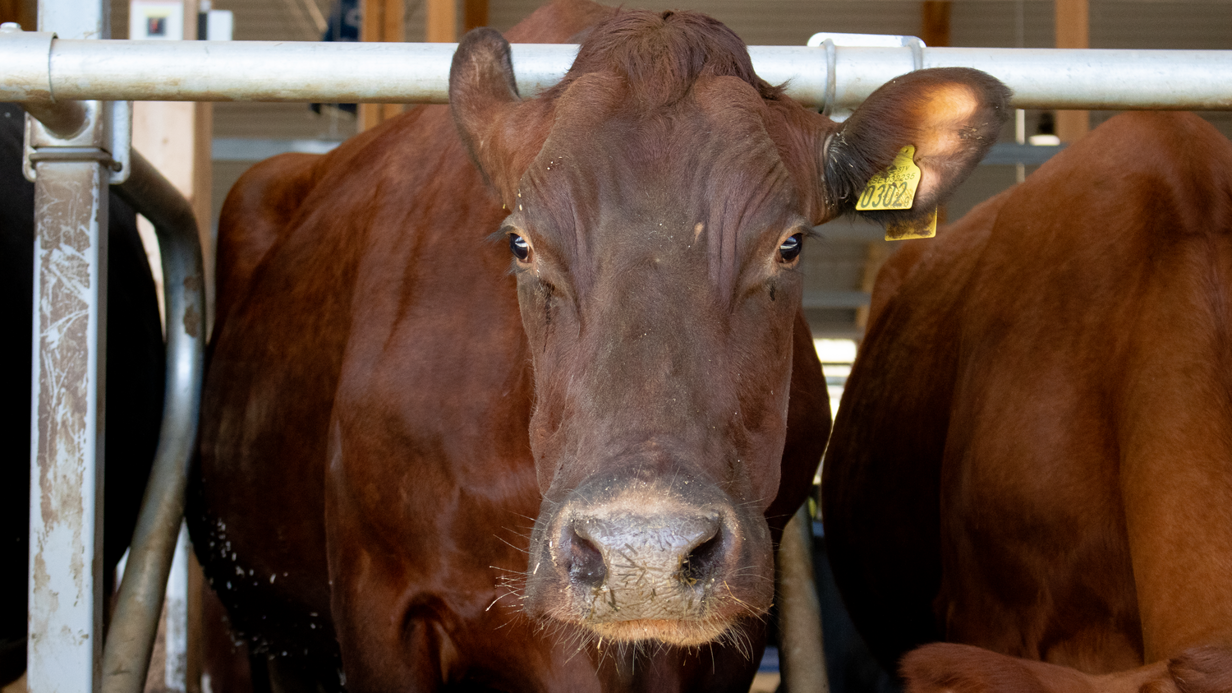
Following one cow over time
Linda Thulin, Herd Manager at Hamra Farm, shares what that can mean when following an individual cow.
“Take cow 302, Valerian. In 2025, she produced 19,263.4 kg of milk, the highest annual yield recorded for a Swedish Red Breed cow in Sweden that year.
“Of course, it's fantastic when a cow produces that much milk. But for me, it's not just about how many kilos of milk Valerian gives us. I want to know how she is doing and make sure we're supporting her so she can stay healthy, comfortable, and productive for as long as possible.
“Valerian is doing really well today. She has now produced around 94,000 kg ECM over her lifetime, so we're hoping she might eventually reach 100,000 kg.
“We've stopped trying to get her pregnant again. At this stage, it's about following her closely and making decisions based on how she is doing.
“Body condition is one thing we can follow. I'm not only interested in Valerian's body condition today. I want to see the trend. Is she maintaining her condition, or is she starting to lose more than we would expect?
“If her body condition started moving in the wrong direction, we'd want to take a closer look. Is she eating and ruminating normally? What else is happening with her? Do we need to look at her feeding? The body condition score doesn't give us all those answers, but it tells us where we might need to look.
“Udder health is another thing I pay particularly close attention to. Somatic cell count is really important to me. With Milk Cell Analysis, I can follow what is happening with the individual cow during milking. If we see an abnormal cell count, that gets my attention straight away.
“For a cow like Valerian, I don't only want to know that she's producing a lot of milk. I want to know that her udder health is good too. If something starts to change, I want to see it and have the chance to take a closer look.
“Then there's her behaviour. If Valerian suddenly starts eating or ruminating differently, or her activity changes from what is normal for her, that's another reason for us to check her.
“For me, that's the useful part. It isn't one number telling me whether Valerian is doing well or not. It's putting the different pieces together. We know our cows, and this gives us another way of noticing when something changes. Then we can go and look at the cow and decide whether we need to do something.”
What is the cow telling us?
Valerian is just one cow, but she shows why bringing different pieces of information together can be useful.
More data isn't the goal. What matters is what we can do with it.
BioSensors don't replace knowing our cows or the experience of the people working with them every day. They give us another way to spot changes, know which cows might need our attention, and then go and see for ourselves.
Because in the end, the most important question isn't "How much data do we have?"
It's: "What is the cow telling us, and what can we do with that information?"