Animal welfare
Highlights
Our new optical technology, DeLaval BioSensor Milk Cell Analysis (MCA), counts somatic cells in milk and provides precise, real-time data.
We have offered training courses throughout our organisation, including basic e-learning in animal welfare for our employees.
With DeLaval Plus, dairy farmers get a comprehensive suite of services and applications that transform on-farm data into clear, easy-to-understand insights that support animal welfare.
Our cow longevity programme aims to help herds remain productive for a longer period, which in turn lowers environmental impact while improving animal welfare.
Our animal welfare policy sets the foundation for a more ethical and sustainable future.
Our commitment to animal welfare
Animal welfare is a cornerstone of sustainable dairy farming. At DeLaval, we are committed to ensuring that cows are healthy and able to express their natural behaviours.
By prioritising animal welfare, we not only enhance the well-being of the herd but also support farmers in running more sustainable dairy farms. This approach leads to higher milk production and improved reproduction efficiency, while at the same time reducing environmental impact and increasing profitability.
Early detection of diseases plays a key role in improving animal welfare. It enables prompt and proper interventions to ensure and improve the general well-being of the cow. Through efficient treatments and preventive measures, the need for antibiotics is reduced.
This in turn helps reduce food waste, which is a large source of CO₂e emissions, as healthier animals lead to more efficient operations and less milk being discarded.
Prioritising animal welfare leads to higher milk production and improved reproduction efficiency, while at the same time reducing environmental impact and increasing profitability.
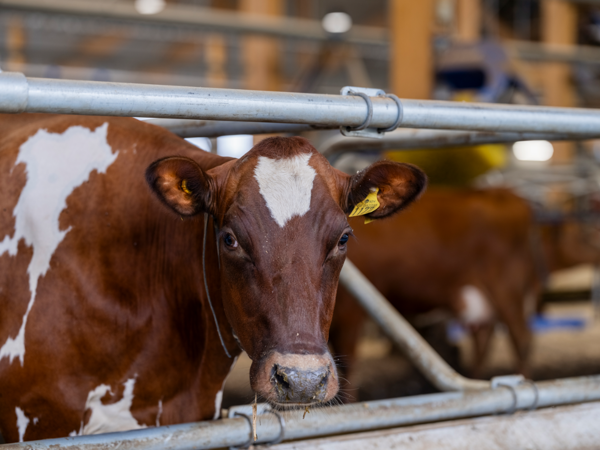
Our ambition
As a world leader in dairy equipment and services, we are against any act of animal cruelty. This relates to neglect caused by ignorance or incompetence, as well as wilful mistreatment and neglect of animals, and acts that maliciously cause pain, injury, or suffering. Our ambition is to be a driver of positive change worldwide in our field, actively developing farming solutions, services, and practices that reduce stress and discomfort for animals, thereby enhancing their overall quality of life.
How we achieve our ambition
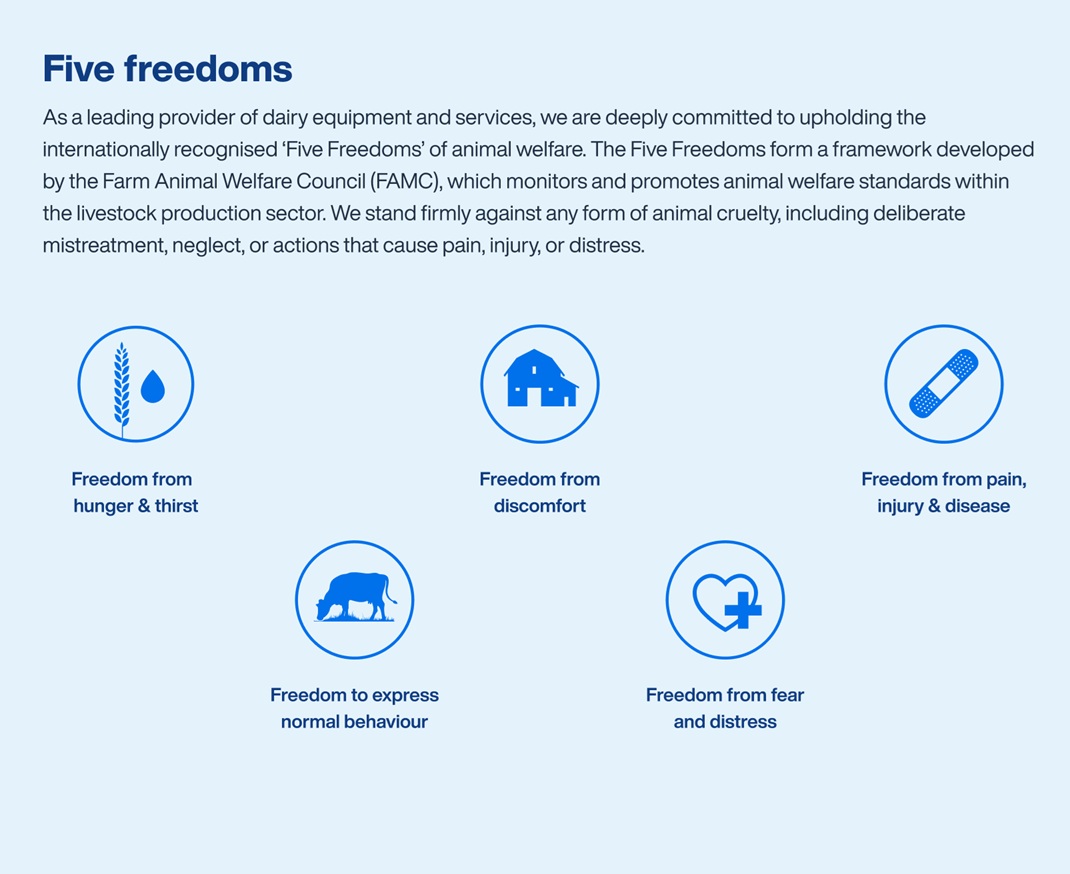
In our approach, we take a holistic view of animal welfare to ensure that we provide animal-friendly solutions and services throughout the entire value chain, from idea to offer and on-farm application. Our animal welfare policy sets the foundation for ethical and sustainable farming. It also anchors our commitment to following the globally established ‘five freedoms’ of animal welfare
Initiatives 2025
This is an overview of some of our initiatives across the organisation:
Structured, long-term initiatives
We create structured, long-term initiatives coupled with strong partnerships with key stakeholders in the agricultural community. Through them we support farmers in adopting best practices that promote responsible management and animal welfare. One such initiative is our cow longevity programme.
Provide digital tools
We provide digital tools to farmers to improve their real-time knowledge of the performance and well-being of their herd. Our advanced sensor technologies, effective health monitoring systems that deliver actionable insights, enable farmers to make informed decisions that positively impact their herds.
Sustainability training and education
We implement sustainability training and education throughout our organisation, with basic e-learning for all eligible employees. This represents a competence uplift that equips our employees with both general and role-specific knowledge within animal welfare and sustainability.
Defining criteria for animal welfare impacts
We have defined criteria for animal welfare impacts and requirements for product development. We assess the impact on animal welfare where applicable, this is our way to create a structure that ensures clear documentation and a consistent standard for every decision made.
Seeking certification of animal-friendly solutions
We continuously seek certification of animal-friendly solutions. We also work together with NGO’s. Eurogroup for Animals, for example, is an organisation we consult with regularly. They express their thoughts and concerns on animal welfare, which we take on board in our work. They also keep us in touch with legislation so that we and our customers remain compliant.
Collaboration with academia
We collaborate with academia to explore the best practices and the benefits of optimal use of our solutions. One example is our funding of students at Colorado State University, which has recently concluded a study to understand cow preference.and habituation to milking systems.
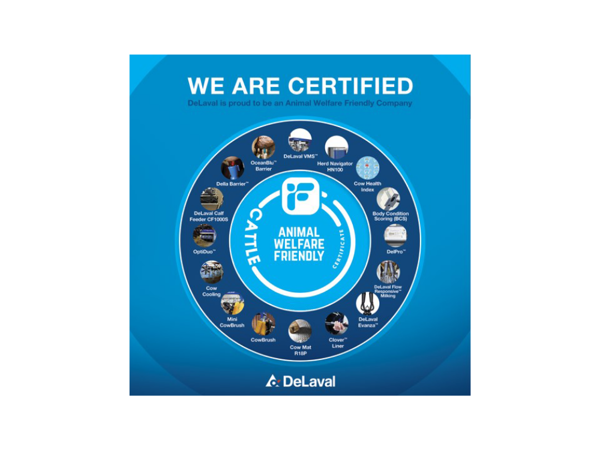
ABEA Certificate in Latin America – Friend of Animal Welfare
We seek sustainable methods to produce milk while ensuring access to nutritious food for all. We proudly earned the ”Animal Welfare Friendly Company” seal, reflecting our commitment to these values. DeLaval Brazil was awarded the ABEA certification as an animal‑welfare‑friendly company for our integrated milking solutions and systems, covering cow comfort, accessories, hygiene, and udder health. We have been certified on our solutions in agricultural utilities, udder health disinfection, monitoring equipment and software.
Milk quality and animal welfare
Our innovative solutions and services aim to improve milk quality, food production, animal welfare and the barn environment for both animals and humans, enabling a lower environmental footprint.
We provide solutions that support the milk handling process throughout its journey on the farm.
Milking
Our milking solutions enable gentle and efficient milking while supporting teat integrity and animal welfare during the milking process. This strengthens udder health and milk quality and supports highly efficient food production.

Reproduction and health
Our sensor technologies and digital solutions help farmers monitor the health, reproduction and welfare of their cows to enable timely interventions and efficient reproduction management. This helps farmers make well-informed decisions and take appropriate action, resulting in lower antibiotic usage and better reproductive performance.

Cleaning and sanitation
Our cleaning solutions and teat disinfectants are designed for optimal performance in our milking systems. They help farmers achieve and maintain high udder health and milk quality.
Housing and animal welfare
Our animal welfare solutions aim to help cows express their natural behaviour and live free from discomfort. These solutions provide a hygienic cow environment, mitigate heat stress and supply feed and water in line with evidence-based recommendations. Our advisors help farmers to optimise the use of their equipment.
Cooling
Partnering with market leaders, we offer cooling solutions tailored to our customers’ needs, ensuring that milk maintains its high quality before delivery to the dairy while reducing food waste.
Data and digital services
Tools like DeLaval Plus turn real‑time sensor data into clear insights and support early detection of health issues, while technologies such as the MCA sensor provide precise somatic cell data to protect udder health and ensure consistent milk quality. Together, AI‑powered analytics and automated monitoring enable smarter decisions that strengthen animal welfare and safeguard every drop of milk.
Optical technology counting somatic cells in milk
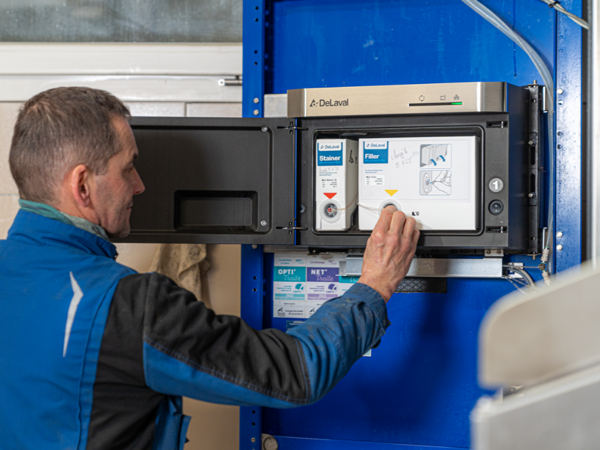
One of our newest innovations was launched during 2025, the DeLaval BioSensor Milk Cell Analysis (MCA). This new technology monitors udder health and counts somatic cells in milk using automated cell count sensors. It enables early detection of mastitis in milk while simultaneously supporting dry-off decisions, thereby reducing unnecessary antibiotic treatments.
The MCA sensors seamlessly integrate with all DeLaval VMS™ V300 milking robots, both existing systems and new installations. They are fully integrated into our sensor portfolio, enabling more comprehensive and connected insights.
DeLaval stands firmly against any form of animal cruelty, including deliberate mistreatment, neglect, or actions that cause pain, injury, or distress.
Improved cow longevity supports sustainability and profitability
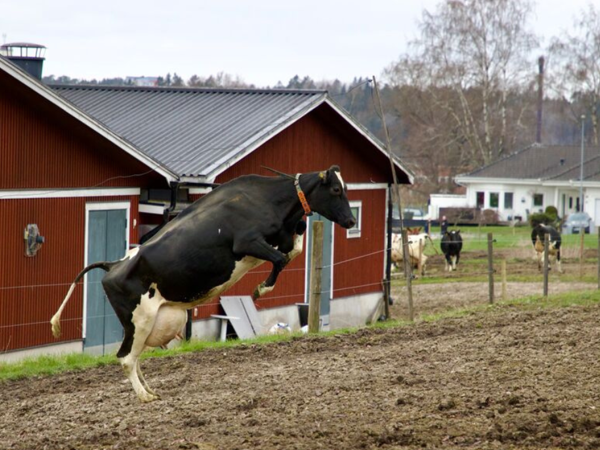
Ensuring cow longevity is crucial for maintaining high standards of animal welfare, a commitment we have upheld for many years. To extend the productive lifespan of our cows, it is essential to provide excellent care from birth and to minimise the risk of disease. Adhering to the Five Freedoms of animal welfare serves as a solid foundation for this effort. Moreover, the longer a cow remains productive within the herd, the lower her environmental footprint per kilogram of milk produced, and the more profitable she becomes for the farmer.
How we improve cow longevity
In the coming years, we will introduce a structured approach to strengthen targeted animal‑welfare competence through collaboration with leading partners and by establishing clear training pathways for employees. We will also create a method for assessing animal‑welfare impact within our R&D processes to support future KPI tracking.
In addition, we will integrate key animal‑welfare measures into our performance framework, such as a KPI that tracks how many customers subscribe to and continue using the service. We create solutions that promote animal well‑being directly or through precision dairy farming tools that give farmers valuable insights and monitoring support. Dealers and farmers also receive continuous education and training, delivered both internally and through external partners.
Our milking solutions are designed to ensure gentle and effective milking, prioritising teat integrity and cow comfort.
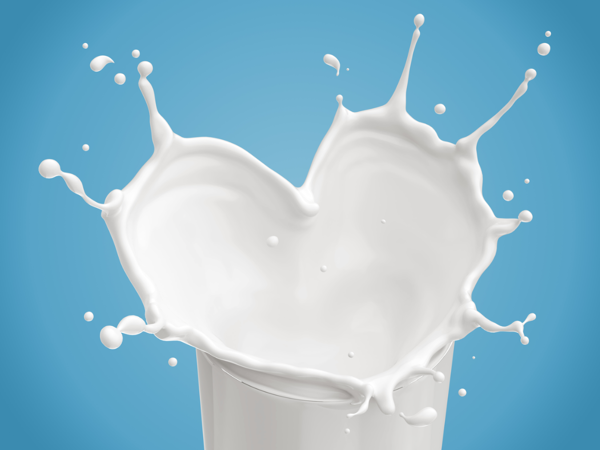
Our commitment to milk quality
Our milking solutions are designed to ensure gentle and effective milking, prioritising teat integrity and cow comfort. By focusing on these critical aspects, we help strengthen udder health and enhance milk quality, which contributes to efficient and sustainable food production.
Improving milk quality reduces risks to consumer health and improves farm efficiency. That’s why we adhere to the strictest regulations in all markets. As a global company, we are committed to maintaining the highest standards in every solution we offer.
Throughout the dairy value chain, we implement robust systems designed to prevent cross-contamination, ensuring that milk remains pure and of high quality from the cow, efficiently cooled by our cooling systems until the milk is picked-up by the dairy processor at the farm.
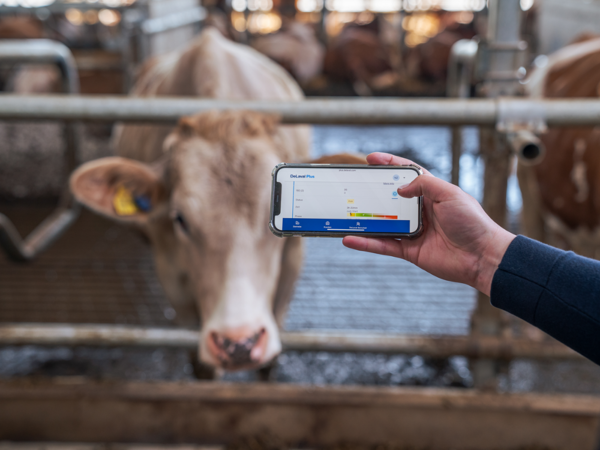
Blending technology with animal welfare
In addition to our advanced milking solutions, we offer digital and advisory services to help farmers optimise their operations while upholding high standards of animal welfare. Using data from sensors installed on the farm, our DeLaval DeepBlue™ Artificail Intelligence (AI) model analyses the measured cow behaviour and assesses the cow’s risk for specific or non-specific diseases, thus providing actionable insights and supporting early disease detection.
This cutting-edge technology helps farmers make informed decisions about herd health and management, preventing health issues before they escalate. By implementing best practices and interventions, farmers can improve cow and herd health, and as a result reduce antibiotic usage, lower their environmental footprint, and minimise food waste.
Blending technology with animal welfare ensures that farmers can achieve more sustainable operations while promoting the comfort and productivity of their cows.
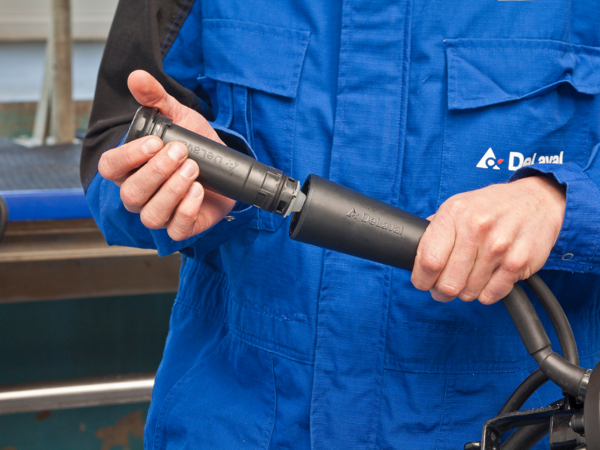
How we ensure milk quality
- Meet all regulatory requirements for milk quality in every market in which we operate.
- Ensure that any product we launch supports farmers in achieving their goals for milk quality and milking efficiency.
- Commit to global compliance for Food Contact Materials (FCM), ensuring that all our products meet the food contact regulations in every country where we operate.
- Apply an extended food contact approach that covers both direct and indirect contact surfaces, including potential exposure from cleaning liquids, grease, adhesives, or lubricants that may indirectly affect milk safety and quality. This approach is grounded in hygienic design principles that prevent contamination, enable effective cleaning, and protect milk safety throughout the entire milking process.