DeLaval fund recipients deepens understanding of the preference of cows
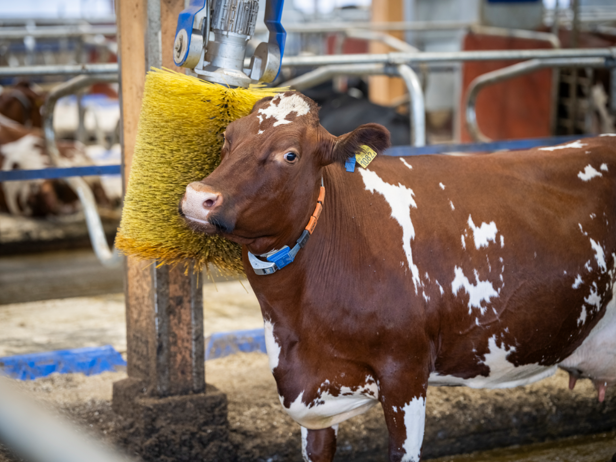
Two studies supported by DeLaval in the US give us a deeper understanding of how cows experience and react to modern milking systems. Through research by students at Colorado State University, in collaboration with Aurora Organic Dairy in Texas, we now know more about how cows adapt to the milking system and how they can better coexist with each other on the farm. This strengthens both animal welfare and farm productivity.
Animal welfare is important to us, and we have worked for many years with research to develop better solutions for animal care. We have made progress through our long-term collaboration with public research institutions and universities around the world.
One of our long-standing collaborators is Colorado State University in the US and its Department of Animal Sciences. In two recent projects, students funded by DeLaval have explored cow behaviour during the milking process at a farm in Texas.
A top priority for the management team at Aurora Organic Dairy is to deepen their understanding of cow behaviour as a way to improve their cows’ welfare, while maximizing the efficiency of their farms. As a result of discussions with Aurora’s leadership team, two graduate students at Colorado State University found this topic compelling and began two studies separately to explore cow behaviour in a milking-system environment.
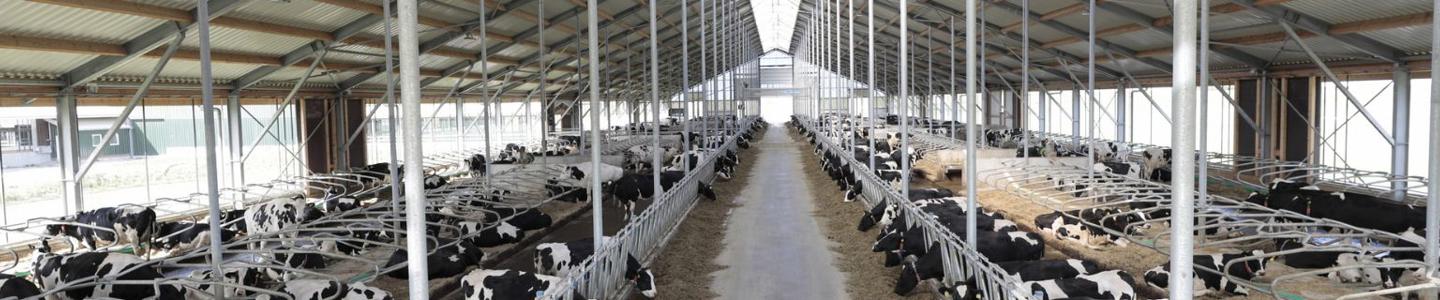
The system used at Aurora Organic Dairy is the new DeLaval VMS™ Batch Milking System. It allows farmers to milk cows in groups by lactation stage. Farms used to parlour or rotary milking can keep familiar routines with an automated process while still controlling the herd’s milking schedule.
Since the system is relatively new, we welcome all research connected to it. When the students applied to the Gustaf de Laval Fund, our committee identified them as an obvious choice for support. The students were supervised by Professor Pablo Pinedo at Colorado State University.
“We observed that cows calving for the first time had a higher frequency of milking-related issues, such as milking unit kick-offs and failed teat detection, compared with older cows,”
Pablo Muñoz-Boettcher, recipient of the Gustaf de Laval Fund.
How cows adapt to the batch making system
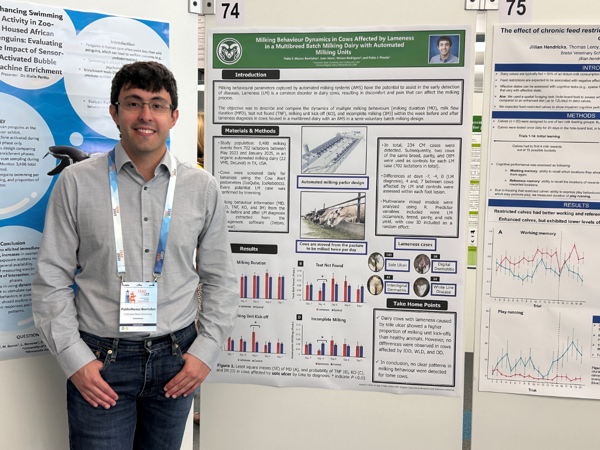
The first of the two studies was conducted by Pablo Muñoz-Boettcher as part of his PhD work to be defended in spring of 2026. The project focused on differences in behaviour between cows new to milking and older, more experienced cows already familiar with the milking system.
“We observed that cows calving for the first time had a higher frequency of milking-related issues, such as milking unit kick-offs and failed teat detection, compared with older cows,” says Pablo Muñoz-Boettcher, recipient of the Gustaf de Laval Fund.
Although the issues the cows experienced were mild, the study showed that first-calving cows displayed more behaviours associated with stress during milking than older cows.
The issues decreased in frequency within a few months and eventually reached the same level as in older cows. This shows how important it is to help new cows adapt to the milking system. Farms could support this in several ways, for example by introducing cows to the system before calving. Further research can clarify which methods best improve cows’ quality of life during milking. Read

Milking preferences
The second study examined cow preferences in the batch milking system and was conducted by Colorado State University master’s student Richard Weng Zheng from 2024 to 2025. Read more about batch milking.
The cows were monitored individually using sensors, as they moved through the different stages of the milking process, from the waiting area until leaving the milking center. The dataset includes almost 2,000 cows and more than 230,000 milking events.
The study showed that cows have different preferences when choosing their way through the milking system. It also found that older cows have stronger preferences than younger cows, which aligns with the results from the first study.
Another interesting finding was that different breeds of cows had different levels of preference for specific milking stations. Aurora Organic Dairy in Texas has three breeds cohabiting, Holstein, Jersey, and their crosses, which are among the most common breeds in the world. The results showed that Holstein cows had stronger preferences than Jersey cows.
“But the difference in their behaviour could indicate more complexity than a simple preference. Since the three breeds cohabit, there is competition for preferred milking stations that needs to be considered. The results clearly show that the Holstein cows, which are larger, tended to dominate the available milking stations, compared with the smaller Jersey cows,” says Professor Pablo Pinedo.
The advantage of the larger cows was clear in both waiting time and their choice of milking station. This means that their ability to get their way in social situations is another factor to consider when studying cow behaviour.
“The conclusion of our study is that cows have clear preferences when it comes to being milked, and that we should give them as many options for choice as possible to support their natural behaviour. Our study also shows that when different breeds are kept together, unexpected behavioural dynamics may arise, making this topic even more intriguing” says student Richard Weng Zheng.
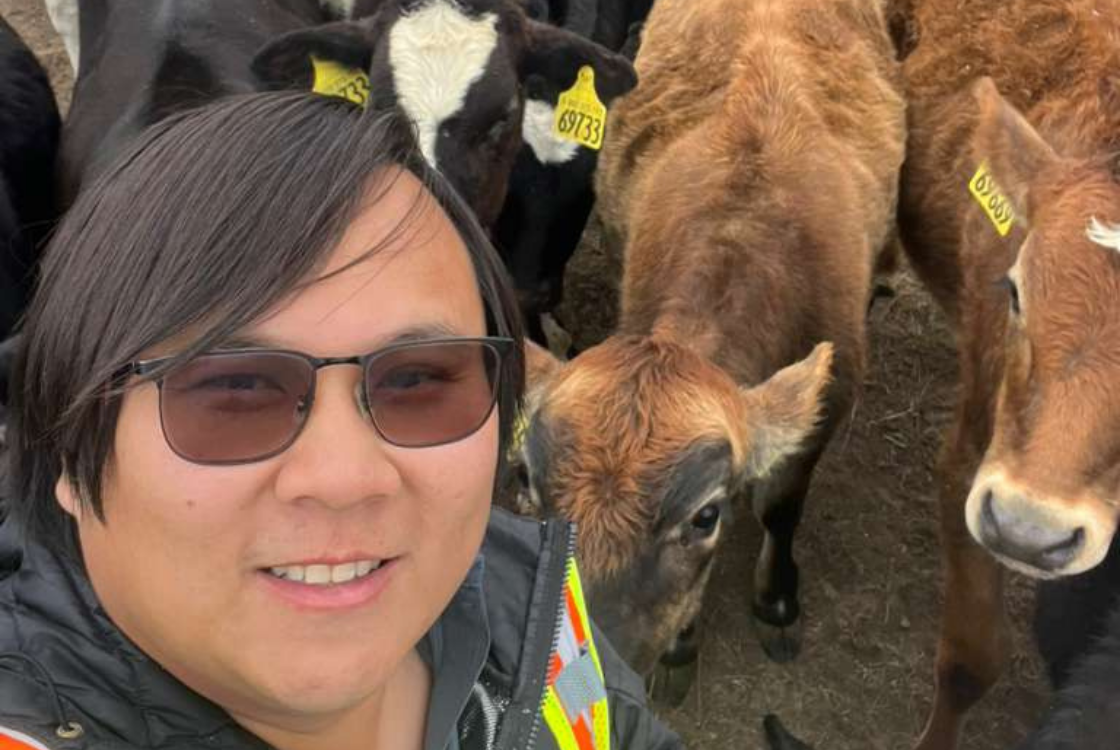
“The conclusion of our study is that cows have clear preferences when it comes to being milked, and that we should give them as many options for choice as possible to support their natural behaviour. Our study also shows that when different breeds are kept together, unexpected behavioural dynamics may arise, making this topic even more intriguing”
student Richard Weng Zheng
Our research builds a better industry for everyone
Ilka Klaas is the head of our scientific committee at DeLaval, and she is proud of and inspired by the good work of our Gustaf de Laval Fund recipients.
“I love following these young people and their careers. How they grow, enter the public stage, and create meaningful improvements in our industry,” says Ilka Klaas.
The Gustaf de Laval Fund was initiated in 2022. During these years, the fund has encouraged scientific progress, inspired young professionals to join the dairy industry, and improved animal welfare. It will continue to support research that strengthens the sustainability and resilience of dairy farming in the years ahead.
“We need to keep advancing research that helps us better support cows and ease their habituation to new environments,” says Ilka Klaas.
The welfare of cows has a bright future thanks to people like Pablo Muñoz-Boettcher and Richard Weng Zheng. Their commitment will continue to benefit our industry. One example of this is Richard Weng Zheng, who, after graduating, is now a full-time member of the team at Aurora Organic Dairy.
We are proud to support these driven individuals as we work together to shape the future of animal welfare.