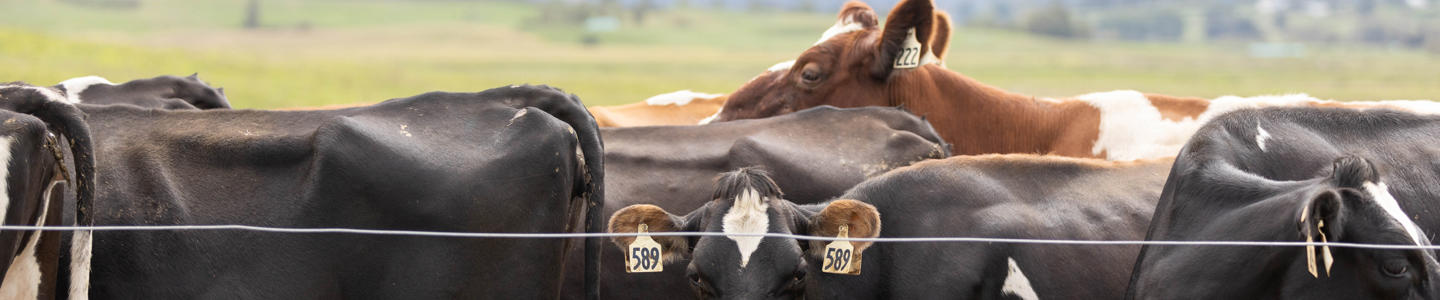
Milking parlour retrofit enables sustainable modernisation in China
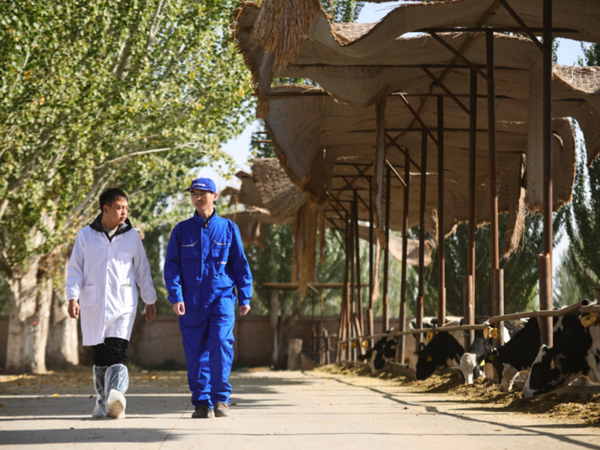
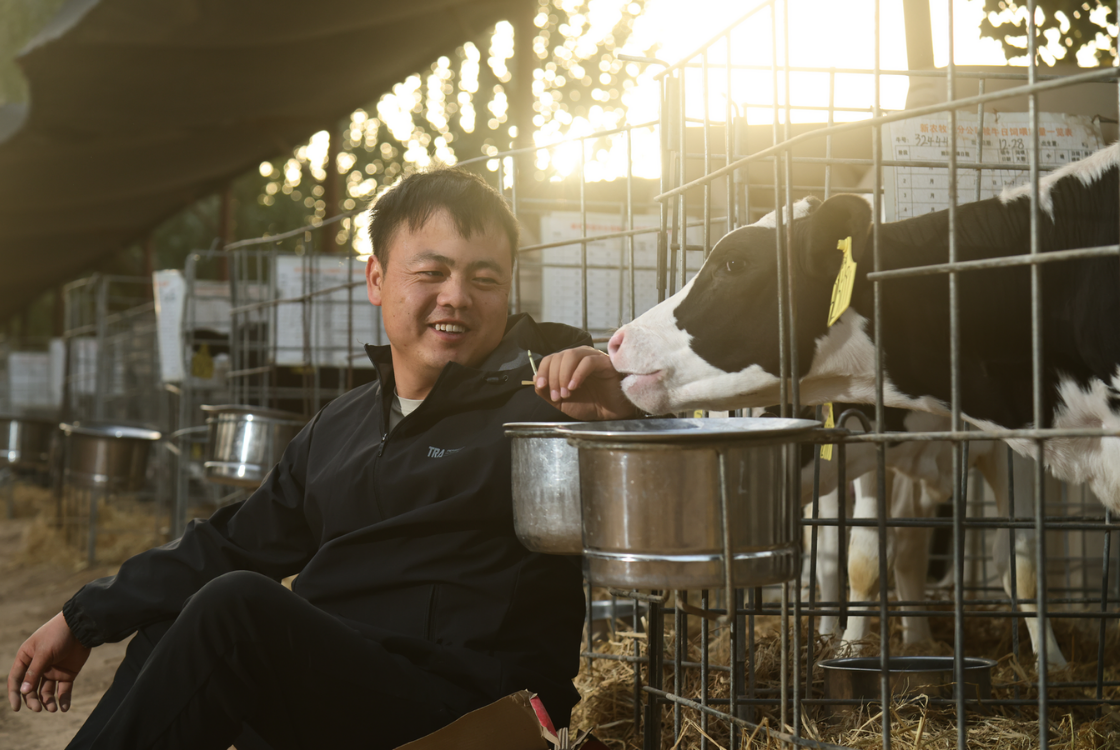
At a Xinjiang Terun Dairy farm in China, we helped the customer extend the life of a 20-year-old parallel parlour while improving milking efficiency, animal health, and access to data. The project shows how older installations can move step by step into the future without the need for a full replacement. A benefit for both the farmer and the environment.
One of our customers runs a farm with a herd of 450 milking cows in the Xinjiang province. Their MP400 automation system, installed in 2004, had been reliable for two decades but lacked a herd management system and modern milk-data collection. Their budget was limited, and they initially expected a full replacement to be unaffordable.
When our team assessed the installation, we realised that many MP400 components could be reused. The individual cabinet design had protected the electronics remarkably well over the years, making reuse possible and reliable.
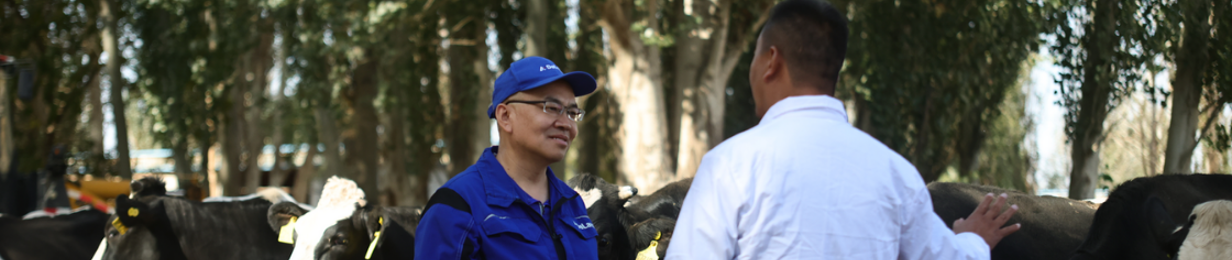
“Innovation doesn’t mean we have to reinvent everything. Older farms don’t have to buy everything new, they can reuse many existing components,”
- Guoqing Peng, CMS Solution Team Manager at DeLaval in China.
A sustainable and cost-efficient solution
Our solution was a customised DeLaval milking automation MA200 installation that could be retrofitted to the MP400 system. To reduce costs and environmental impact, we kept original parts such as the ACR cylinder, pulsator, regulator block (with new solenoid valves), and the MP400 back cover.
We combined these reused components with new MA200 electronics and added DelPro™ Farm Manager, which is a comprehensive farm-management platform that collects, interprets, and presents data from the farm’s sensors and systems. This provides valuable, actionable information on animal health, reproduction, feeding, and production.
“Innovation doesn’t mean we have to reinvent everything. Older farms don’t have to buy everything new, they can reuse many existing components,” says Guoqing Peng, CMS Solution Team Manager at DeLaval in China.
The customer appreciated this transparent approach. They had expected a much higher investment, but the final quotation was lower than anticipated, a strong example of how sustainability and affordability can go hand in hand.
Installation without interrupting milking
Because the farm milks every day, continuity was essential. Our team tested the full system in the farm’s warehouse before installation to ensure all functions worked. This preparation allowed us to install the system between milking sessions only, ensuring no delays.
The installation team handled unexpected challenges, such as replacing a faulty system controller and adjusting cabinet covers, while still keeping the project on schedule.
The entire timeline from first power-on test to full configuration ran from 13 August to 23 September, without interrupting a single milking.
Clear improvements within six months
Since installation, the MA200 system has already delivered measurable improvements.
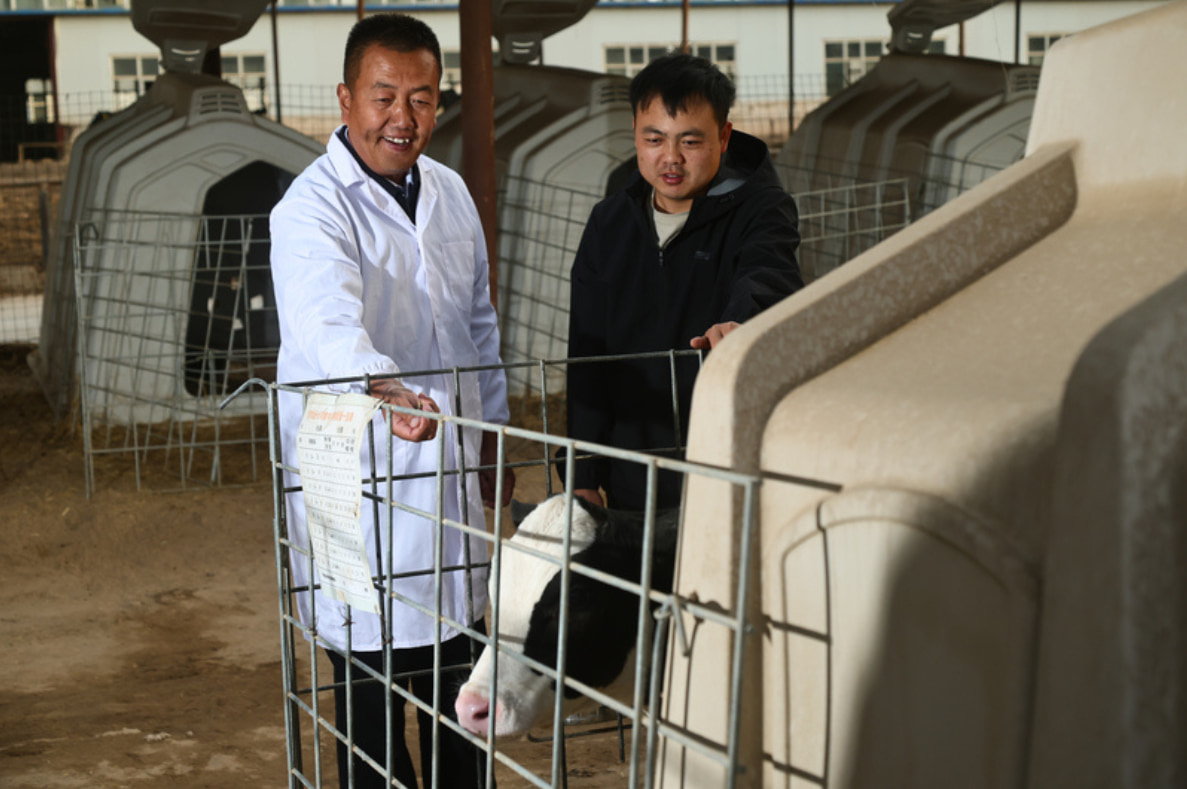
Milking efficiency improved from 144 cows per hour in September to 166 in November. Each cow’s milking time decreased by an average of 27 seconds, and each milking shift was shortened from three and a half hours to three.
This is largely due to FAS (Flow Adjusted Stimulation) technology, which automates stimulation and allows operators to attach the cluster earlier while maintaining good udder preparation.
“The new routine is also easier for operators to learn and reduces their physical workload, which is especially important for less experienced staff,” says Guoqing Peng.
After the upgrade we also saw improvements in milk quality. The number of somatic cells in the milk fell from 114,200 to 90,300. A lower somatic cell count is a clear sign that the cows’ udders are healthier and under less stress.
The new system also removes the milking cluster automatically at the right time, which prevents overmilking. Avoiding overmilking protects the udder and helps keep the cows healthier over time.
Daily data for better decision-making has become a major advantage for the farm. Before the retrofit, they relied on manual readings from a glass jar meter once a week. With electronic milk meters feeding data into DelPro™, they now receive accurate production data at every milking.
This gives them the ability to detect health issues earlier, adjust feeding more precisely, and understand their milking routines in far greater detail.
“The farm manager cannot manage without data, and now they can improve because they know what is happening every day,” says Guoqing Peng.
Supporting long-term sustainability
The retrofit extends the life of a parlour that had already been operating for 20 years. Thanks to the cabinet-protected design, many components are expected to last another decade.
Reusing materials and avoiding a full rebuild significantly reduces environmental impact. This stepwise approach also allows the customer to upgrade further in the future. For example, they can upgrade to MA500, which adds a screen for real-time milk-curve monitoring.
“This future-enabled setup lets farms grow at their own pace without wasteful replacement cycles,” says Guoqing Peng.
Our Farm Advisory team will also make follow-up visits to help optimise routines and ensure the new data is used effectively. This creates long-term value beyond the hardware and supports sustainable improvements in animal welfare and productivity.
The first sustainable retrofit step of many
The successful retrofit was not just a one-time win. It could soon be replicated, as the old MP400 system was a twin installation to another system at the neighboring Tuofeng Glacier Fourth Ranch.
According to Li Gang, Deputy General Manager of the Livestock Division at Alar Xinnong Dairy Co., the identical setup at this neighboring farm makes it a strong candidate for a similar retrofit if everything goes as planned.
The retrofitted farm is now becoming a reference site for FAS technology in western China, helping other farmers see how retrofits can modernize older parlours in a cost-efficient way.
Planet
Environmental sustainability is the ability to maintain balance, ensuring that resources are used wisely so that future generations can meet their own needs. It is essentially about living in harmony with nature without depleting its capacity to regenerate. It is about long-term survival and well-being through the responsible management of finite resources.